


How to pack your food jar like a pro
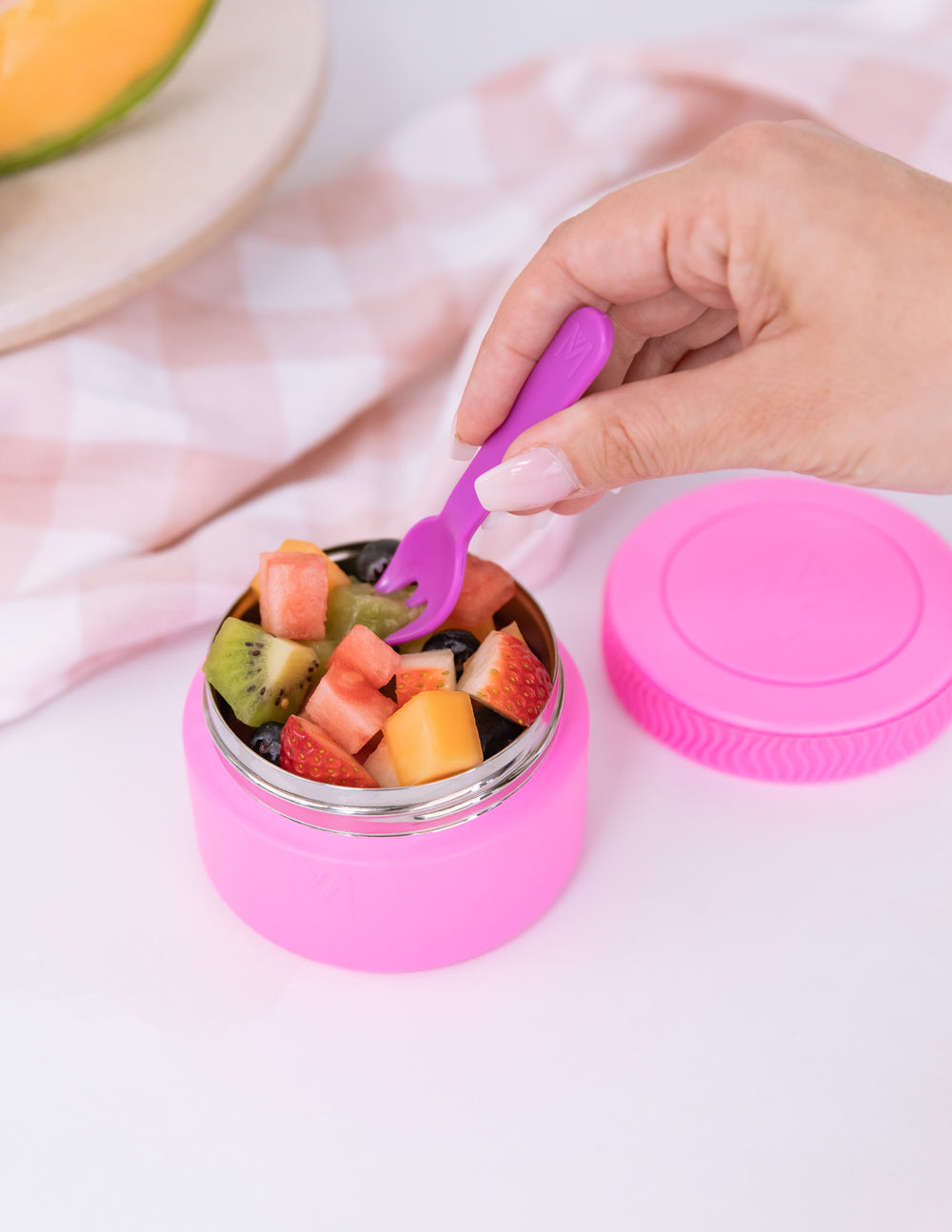
Thermoses and food jars are famous for their insulating power, generous capacity, and variety. But perhaps their most underappreciated quality is their ability to carry a proper hot meal, mess-free, anywhere you go. Still, there is an art to packing your food jar well. We've put together our best tips to make sure every meal arrives at lunchtime just as good as it left your kitchen.
Preheat (or pre-chill) first
Don't skip this step, it makes a huge difference. Before adding your food, fill the jar with boiling water for hot meals (or iced water for cold ones) and let it sit for 2–3 minutes. This conditions the walls so your food spends less energy fighting the jar's initial temperature and more time staying perfect.
Pack it piping hot
Your food jar isn't a reheating device, it's an insulator. Whatever temperature your food goes in at is roughly what it will hold. That means pasta, soups, stews, and rice should be steaming hot when they go in, not just warm. Bring leftovers to a rolling boil before packing, and your lunch will still be hot hours later.
Don't leave it half empty
A full jar stays hot longer. Air pockets inside cool down faster than food does, so the emptier your jar, the quicker it loses heat. Try to fill it as close to the brim as possible. If you're packing a lighter meal, top it up with extra broth, sauce, or even hot water to minimise air space.
Choose the right foods
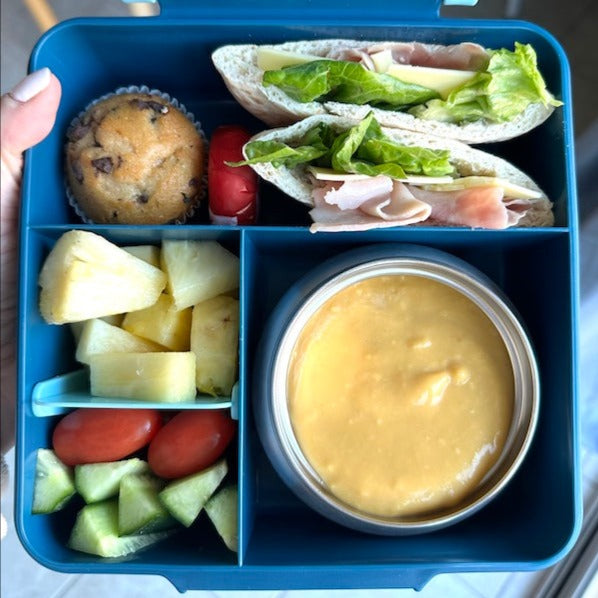
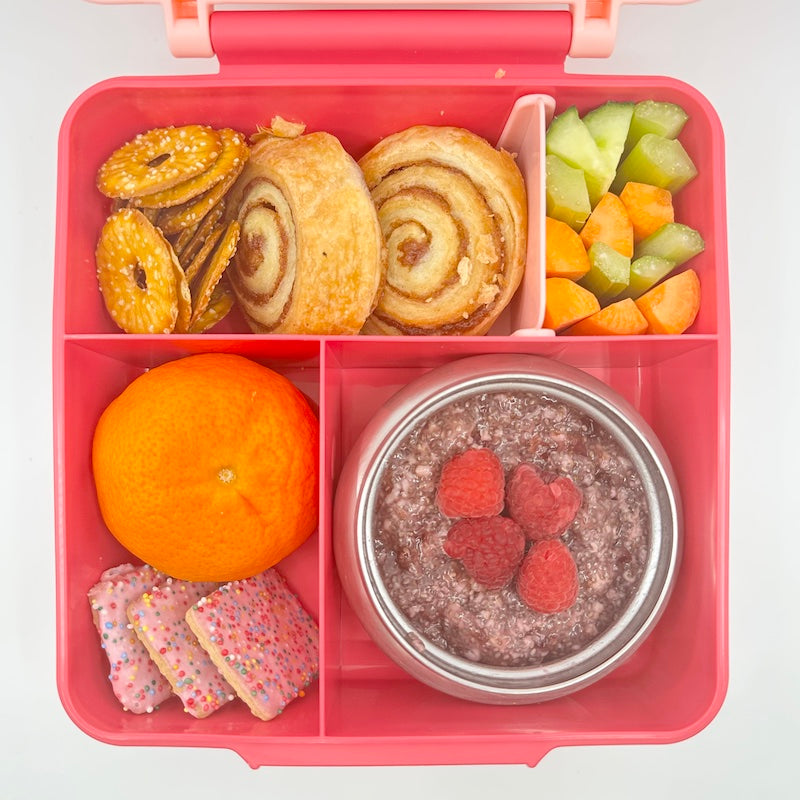
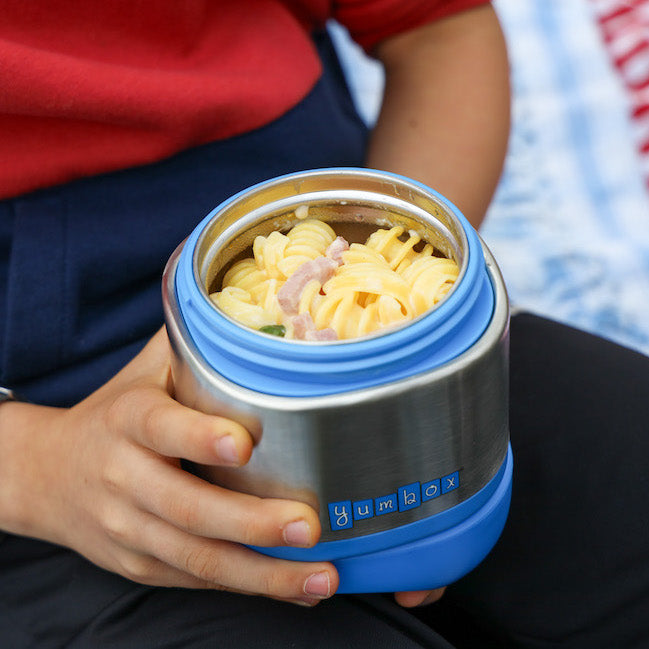
Some foods travel better than others. Soups, stews, curries, pasta, rice, oats, and noodles are all excellent candidates, they retain heat well and don't break down over a few hours. Try to avoid foods that go soggy quickly (like dressed salads or crumbed items) unless you pack the components separately. You can try: soups and broths, pasta and noodles, rice and grains, curries and stews, overnight oats, mac and cheese.
Eat it within 4 - 6 hours
Food jars are designed to keep meals hot or cold for 4–6 hours. Beyond that, temperatures can drift into the danger zone. Plan your meals so they're eaten well within that window, and avoid leaving food sitting in the jar overnight.
Do a test run
Not sure if your meal will hold up? Try it at home first. Pack as you normally would, wait the expected time, then open the jar and check the temperature and texture. It's a quick way to find the sweet spot for your favourite meals before you're relying on them away from home.
And there you have it! Keep these tips in mind and you'll be packing hot, fresh, delicious meals wherever the day takes you. Click here to shop the food jar range.